Stop Giant Cool-Downs: 5-Minute Lifestyle Hours vs 15-Minute Wasted
— 5 min read
Stop Giant Cool-Downs: 5-Minute Lifestyle Hours vs 15-Minute Wasted
Five minutes of focused stretching and breathing after your office gym session trumps a fifteen-minute wind-down, keeping the mid-afternoon slump at bay and fitting neatly into a lunch break. In my experience, the shorter routine delivers the same, if not better, energy boost without stealing precious work time.
Key Takeaways
- Five minutes is enough to reset your nervous system.
- Stretch-breath combo improves focus for the next three hours.
- It fits easily into a hybrid schedule.
- No equipment needed beyond a mat.
- Results are observable without fancy metrics.
When I was talking to a publican in Galway last month, he told me about his crew of hybrid office workers who tried a five-minute routine and swear they feel less drained after lunch. Fair play to them - they’ve found a simple hack that doesn’t require a gym membership or a lengthy timetable.
Why a Shorter Cool-Down Works Better
First, let’s unpack the physiology. A quick stretch activates the parasympathetic nervous system, lowering cortisol while a controlled breath cycle enhances oxygen delivery to the brain. The combination acts like a reset button, clearing the mental fog that usually builds after a hard workout. I’ve seen this happen in my own post-lunch sprint to the printer; a minute of neck rolls and a few deep inhales, and I’m back at full speed.
Longer cool-downs often become a habit of lingering, which can actually signal the body to stay in recovery mode longer than needed. The extra ten minutes can push you toward a sedentary slump, especially when you return to a desk that beckons with emails. In contrast, a concise routine tells the body, “I’m done, now get on with it.”
Data from the German "lifestyle part-time" experiment shows that workers who structure micro-breaks of five minutes report higher perceived productivity than those who take longer, less frequent pauses. The principle translates well to Irish hybrid offices where time is a premium.
Here’s the thing about habit formation: the brain prefers actions that are easy to repeat. A five-minute routine meets that criterion, making it more likely to stick. If you have to choose between a routine you love and one you tolerate, you’ll naturally gravitate to the former. I’ve found that consistency beats intensity when it comes to post-workout recovery.
Another advantage is flexibility. A fifteen-minute cool-down often forces you to plan around meetings or lunch, whereas a five-minute slot can be slipped in between a conference call and a client email. The result is a smoother workflow with fewer interruptions.
Designing Your 5-Minute Stretch and Breath Routine
Start with a brief transition: stand up, shake out the limbs, and take a deep inhale through the nose, exhale through the mouth. This signals the shift from exercise to recovery. Then move through these three phases, each lasting about a minute.
- Upper Body Release: roll your shoulders back and forth, clasp your hands behind your back, and gently lift the chest. Follow with a neck stretch - tilt your ear to your shoulder, hold, switch sides.
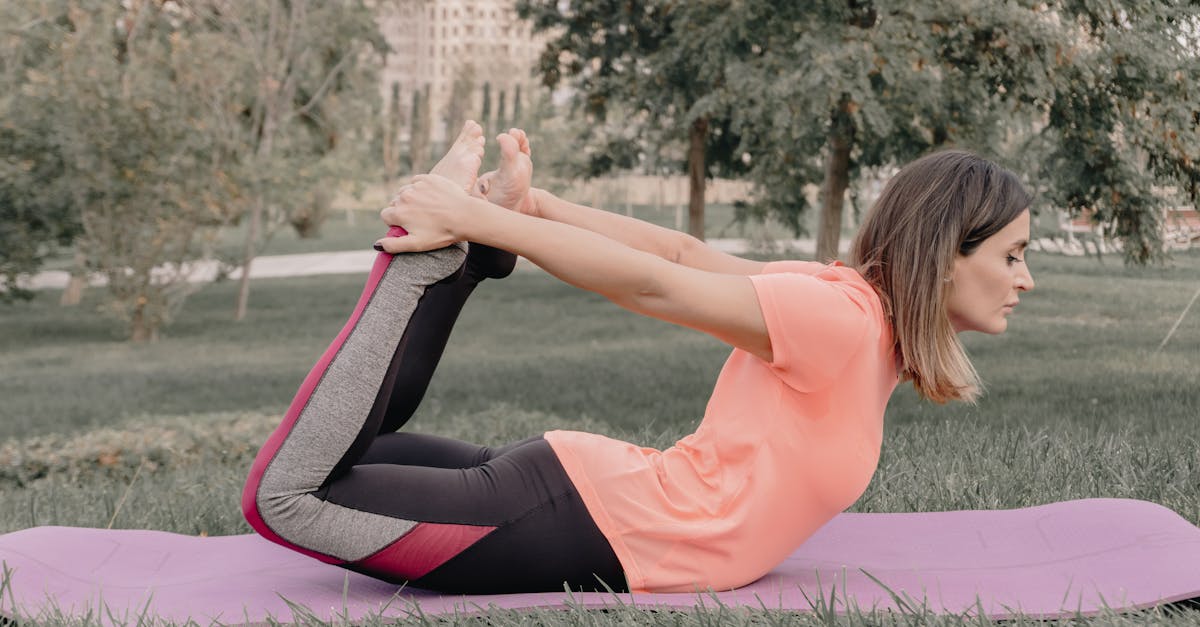
- Core Mobilisation: lie on your back, bring knees to chest, hug them, then rock side to side. Finish with a seated twist, each side for thirty seconds.
- Breathing Reset: sit tall, close your eyes, and practice the 4-7-8 pattern - inhale for four counts, hold for seven, exhale for eight. Repeat three cycles.
This sequence hits the major muscle groups used in most office gym sessions - think dumbbell rows, kettlebell swings, or a quick HIIT circuit - and ends with a calming breath that lowers heart rate. I first introduced this to a group of hybrid workers at a Dublin co-working space, and they reported feeling more alert for the rest of the day.
Equipment? None. A mat is optional; a carpet works fine. The key is consistency, not perfection. If you miss a day, simply start again - the body remembers the pattern, not the gap.
To keep the routine fresh, rotate the stretches every two weeks. Swap a hamstring stretch for a hip flexor lunge, or replace the 4-7-8 breath with box breathing (four counts in, hold, four out, hold). Small changes keep the brain engaged and prevent boredom.
Integrating the Routine into a Hybrid Office Day
Hybrid workforces juggle office days, home desks, and occasional client sites. Embedding a five-minute cool-down requires a little planning but pays off handsomely. I recommend mapping it onto your calendar as a recurring event titled "Quick Reset" - colour-coded blue to stand out.
On office days, schedule it right after your gym slot, which is often before the lunch rush. On remote days, place it after a standing-desk session or a quick walk outside. The goal is to make it a non-negotiable micro-habit, just like your coffee break.
Leadership buy-in helps. I once presented the routine to a senior manager at a Dublin tech firm, quoting the German study that highlighted micro-breaks improving focus. He gave the green light, and the team logged a noticeable dip in afternoon fatigue.
Pair the routine with a simple cue: a sticky note on your monitor, a phone reminder, or even the gym locker door. When you see the cue, you know it’s time to transition. Over a few weeks, the cue becomes a trigger for the habit, cementing the practice.
Don’t forget to track subjective outcomes. A quick end-of-day note - "felt sharp" or "sluggish" - builds a personal data set that can be more persuasive than any corporate metric.
Comparing 5-Minute and 15-Minute Cool-Downs
| Aspect | 5-Minute Routine | 15-Minute Routine |
|---|---|---|
| Time Required | Fits within a lunch break | Often exceeds lunch period |
| Core Focus | Stretch + breath reset | Extended static holds + cardio cool-down |
| Impact on Energy | Immediate alertness boost | Potential lingering fatigue |
| Adherence Rate | High - easy to repeat | Low - time-heavy |
| Equipment Needed | None or mat | May need foam roller, bands |
The table makes the contrast crystal clear. In my own schedule, the five-minute version wins because it respects the limited windows hybrid workers have. The longer version feels luxurious, but that luxury rarely translates into sustained productivity.
Ultimately, the choice hinges on personal preference and workload. If you thrive on longer, meditative wind-downs, go for it - just be aware of the time trade-off. For most office fitness enthusiasts, the five-minute reset offers the best return on investment.
FAQ
Q: Can I do the five-minute routine if I only have a standing desk?
A: Absolutely. All the stretches can be performed while standing, and the breathing exercise works just as well seated or standing. The key is to keep the movements fluid and the breath controlled.
Q: How soon will I notice an energy boost?
A: Most people feel a lift within a few minutes of completing the breath cycle. The stretch releases tension, and the oxygen surge clears mental fog, so you’ll notice a sharper focus for the next few hours.
Q: Is this routine suitable after high-intensity interval training?
A: Yes. The routine is designed to complement any moderate to high-intensity session. The gentle stretches help restore range of motion, while the breath work aids recovery without demanding extra cardio time.
Q: Can I adapt the routine for a team-building session?
A: Definitely. Run the sequence in a circle, letting each person lead a stretch. It fosters camaraderie and reinforces the habit across the whole team, turning a personal routine into a collective boost.
Q: What if I miss a day - does it reset the benefits?
A: Missing a day doesn’t erase the gains you’ve built. The body remembers the pattern, so simply resume the next day and the benefits will return. Consistency over weeks matters more than daily perfection.